Hypertrophic Scar
Hypertrophic scar
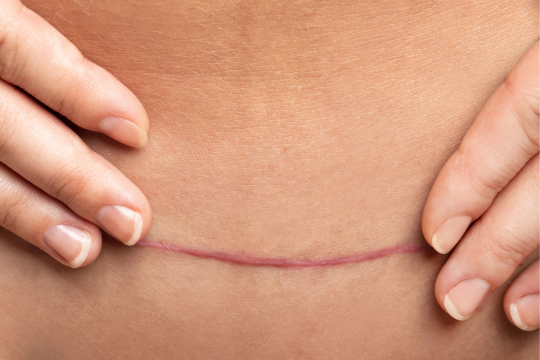
A hypertrophic scar is a raised, thickened scar that stays within the boundaries of your original wound. It occurs as a result of an abnormal response to injury or skin trauma, leading the body to produce excess collagen. The severity of your wound can influence the likelihood of developing a hypertrophic scar.
Hypertrophic scars are especially common after surgical procedures such as a caesarean section, where the risk can be as high as 50%.
What is a hypertrophic scar?
The term 'hypertrophic' refers to excessive growth or thickening of scar tissue. This occurs when your body produces too much collagen during the healing process. As a result, the scar becomes raised, firm, and often noticeably red or pink. It can feel tight, itchy, or sometimes even painful. A key factor contributing to hypertrophic scars is moisture loss from the skin.
Because hypertrophic scars can be uncomfortable and affect your confidence, it’s important to start treating them early.
Symptoms of a hypertrophic scar
A hypertrophic C-section scar might not appear immediately after your surgery. Usually, it becomes more noticeable several weeks or months later. Common symptoms include:
- A raised, thickened C-section scar
- Lumpy or swollen scar appearance
- Red or pink colour
- Tightness or pulling sensation
- Itching or pain
Women may also notice a lump on or above the incision, or even a pea-sized lump on the C-section scar. In some cases, a lump under the C-section scar years later could be related to scar tissue or other healing issues.
How to treat a hypertrophic C-section scar?
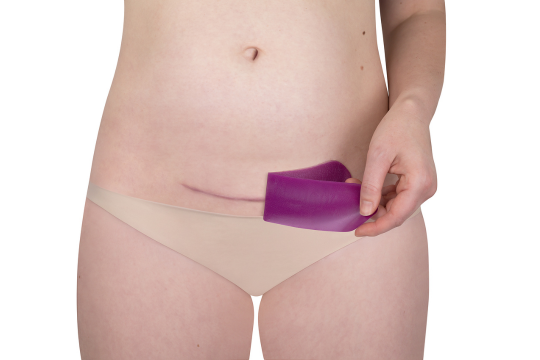
The most commonly used form of scar treatment by specialists is silicone therapy. Silicone reduces fluid loss. This is very important because fluid loss is the main cause of a hypertrophic scar. The earlier you start, the better.
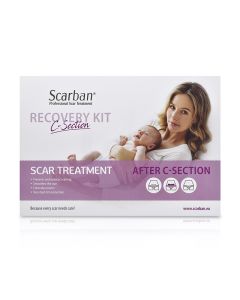
Silicone therapy is most widely used and scientifically proven treatment method and ensures faster recovery with less scar symptoms. Daily use of the Scarban C-Section silicone sheet can help make your scar flatter, smoother and thinner.
Treat your C-section scar with Scarban
When to start scar treatment
For optimal results, start Scarban C-Section silicone sheets as soon as your wound is fully closed and free of stitches and scabs. Starting early helps your skin retain moisture and protects the healing area from friction and tension.
In the first few days of wearing Scarban, many women may notice less tightness or itching around the scar. This means the scarred skin is becoming healthier and more balanced.
For the best long-term results, consistency is key. Clinical evidence shows that using silicone sheets daily for at least 8 to 12 weeks significantly improves scar texture, colour and comfort. For more prominent scars, 3 to 6 months of use is often recommended.
Silicone therapy helps to flatten and soften raised scars, reduce redness and sensitivity, and improve how the scar blends with your skin over time. Starting early and staying consistent gives your scar the best chance to heal calmly and smoothly.
What causes a hypertrophic C-section scar?
A scar causes fluid loss through the skin. Your body tries to protect itself from dehydration by creating extra (thickened) scar tissue. This can cause a problem scar. To prevent this, it is important to treat the scar as soon as possible.
Several factors can increase the risk of hypertrophic scarring after a C-section:
- Genetics: a family history of excessive scarring
- Skin type: darker skin tones can be more prone to hypertrophic scars
- Infection or delayed wound healing
-
Tension or stress on the scar, such as frequent bending, stretching, or lifting
A hypertrophic scar usually appears around 6 weeks after the wound has closed. Full healing can take up to 18 months. By ‘healing’, we mean the point at which the scar settles and stops changing, because unfortunately, scars don’t heal in the sense that they disappear. However, with the right care, a scar can fade into a thin, pale line, if treated in time.
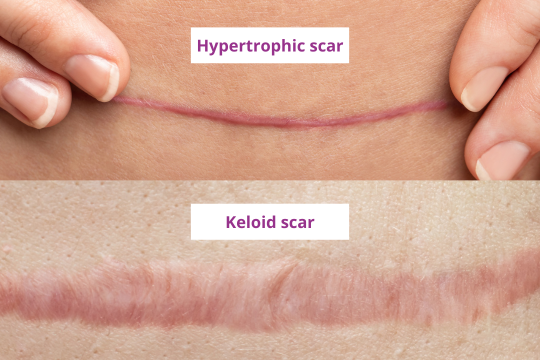
Does the scar grow beyond the edges of the original wound? Then it is a keloid scar.
How do hypertrophic scars differ from keloid scars?
Many women wonder about the difference between a hypertrophic and keloid scar. While both are abnormal and raised scars, keloid scars grow beyond the original incision, whereas hypertrophic scars remain within the wound area.
Your free guide to scar care and recovery
Learn everything about your scar and treatments options in the free scar guide!