Scar Treatment
Scar treatment
Recovering from a C-section is a significant journey, and the right scar treatment plays a crucial role in healing. Damaged skin after the surgery loses much more moisture than healthy skin. Your body reacts to this moisture loss with a ‘panic’ reaction. It creates more scar tissue to strengthen the damaged skin. In many cases, your C-section scar may be visible, red, itchy and thickened.
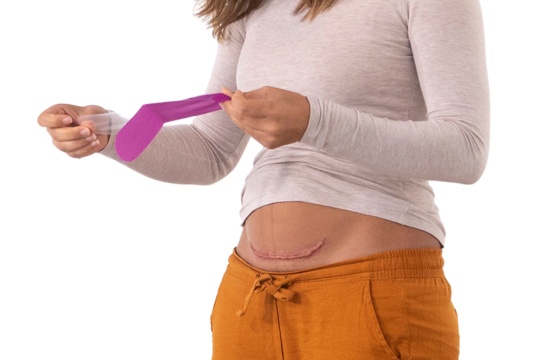
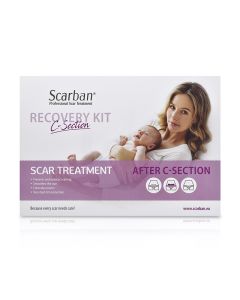
The Scarban C-Section Recovery Kit helps you as a new mother to treat your scar effectively. The medical silicone sheet reduces scar complaints and repairs your scar faster, better and more beautiful.
Why treat your C-section scar?
Unlike other surgical scars, C-section scars are positioned in a high-movement area, which can increase the risk of hypertrophic or keloid scarring. The right scar treatment ensures the best healing outcome by preventing thickening, discomfort, and tightness around the scar area.
A scar will never completely disappear, but minimisation is possible. By starting silicone treatment after wound closure, you can treat and/or prevent abnormal scar growth and associated complaints. Using silicone helps reduce common complaints like itching, redness, and skin tension, making scars less noticeable. You'll start feeling relief from itching and pain within a few days.
More information:
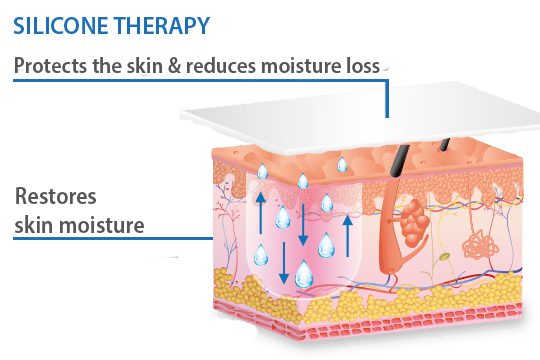
How do silicone scar sheets work?
Treat your C-section scar with Scarban
Silicone scar treatment
The best scar treatment for abnormal scars, like keloid or hypertrophic scars, is silicone therapy. Recognised as the gold standard in International Scar Management guidelines, silicone treatment provide a semi-occlusive layer over the scar, preventing excessive moisture loss and stopping the overproduction of scar tissue.
Silicone therapy is the most widely used treatment in preventing and treating scars. It is also the only available, non-invasive scar treatment option with sufficient scientific support.
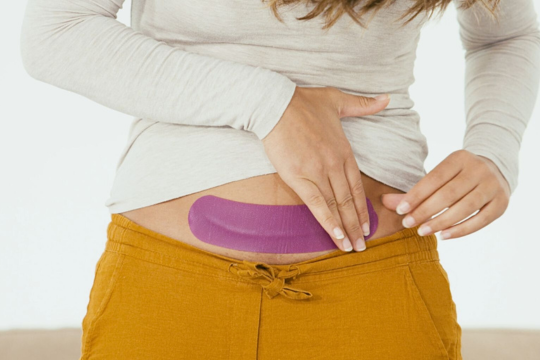
Scarban C-Section is a pre-shaped silicone sheet specially developed for scars after a caesarean section.
✓ Proven effectiveness
✓ Relieves complaints such as itching and pain
✓ Trusted by professionals
When to start scar treatment?
Starting scar treatment after surgery at the right time is essential. Start using Scarban C-Section silicone sheets after the stitches are removed and the scab has completely disappeared. Early intervention ensures optimal healing while reducing the risk of abnormal scarring.
In the video below, C-section and scar specialist Hannah Poulton (HLP Therapy) explains when you can start using silicone sheets.
This video is used with permission from Hannah Poulton - HLP Therapy limited.
Scar healing
The healing of your C-section scar occurs in stages, taking at least 3 to 6 months, or even longer, to fully mature. After 2 to 4 months, you'll see visible improvements:
- The scar becomes flexible, flatter and less red.
- Reduces itching and pain.
- Scar formation is minimized.